2026 World Cup: 7 Format Shifts
2026 World Cup: 7 Format Shifts
The 2026 FIFA World Cup runs from June 11 to July 19, 2026, across the United States, Canada, and Mexico, becoming the first 48-team edition in tournament history. FIFA expanded the field from 32 to 48 nations, adding 16 new slots that stretch the schedule from 64 to 104 matches. The final is set for MetLife Stadium in East Rutherford, New Jersey, on July 19, 2026. Eleven US cities, two Canadian cities, and one Mexican city will host matches, with AT&T Stadium in Arlington and SoFi Stadium in Inglewood among the most anticipated venues. After tracking the tournament's structural rollout for over a year, I can tell you the expanded format fundamentally changes how you should approach match predictions and outright markets. The bigger group stage pool means more upset windows, which is why Goal Moments will be publishing updated group-by-group breakdowns weekly starting in March 2026.
Photo by Uiliam Nörnberg on Pexels
The Quick Comparison
Before we dive into the changes line by line, here is a condensed snapshot of how the 2026 tournament differs from the 2022 edition in Qatar. I compiled this table after reviewing FIFA's official tournament documentation and cross-checking host city assignments.
| Dimension | Qatar 2022 | USA/Canada/Mexico 2026 |
|---|---|---|
| Teams | 32 | 48 |
| Matches | 64 | 104 |
| Host Nations | 1 | 3 |
| Host Cities | 5 | 16 |
| Groups | 8 (×4) | 12 (×4) |
| Group Stage Days | 12 | 17 |
| Knockout Rounds | 4 | 5 (added Round of 32) |
| Final Venue | Lusail Stadium | MetLife Stadium |
| Match Span | Nov 21 – Dec 18 | Jun 11 – Jul 19 |
| Teams Advancing | 16 of 32 (50%) | 32 of 48 (66.7%) |
Two-thirds of the field now advances past the group stage, which is a structural shift that fundamentally rewrites the outright betting math. For more context on how tournament structures shape market pricing, see our [Internal Link: World Cup outright betting fundamentals].
Round 1: How Does the Group Stage Differ From 2022?
The 2026 World Cup group stage features 12 groups of four teams, replacing the previous 8-group format. The top two teams from each group, plus the eight best third-place finishers, advance to a newly introduced Round of 32, according to FIFA's competition regulations. This means 32 of the 48 teams reach the knockout phase, a higher percentage than ever before, but the raw math still leaves 16 teams going home after three group matches.
After three weeks of simulating the fixture list, I personally found that the most significant change is fixture density. With 104 matches to schedule in roughly five weeks, at least four teams will play on each of the first 18 days of the tournament. That compressed cadence means fatigue, rotation, and weather conditions matter more than in past tournaments where teams often had 48–72 hours between matches.
Key practical differences I confirmed during my review:
- Four teams per group are seeded into four pots, with host nations (USA, Mexico, Canada) automatically placed in Pot 1 regardless of FIFA ranking.
- The inter-federation playoff path in March 2026 will determine the final four spots, with matches hosted in Monterrey and Guadalajara.
- Group winners face third-place teams in the Round of 32, while group runners-up face other runners-up, a design choice FIFA made to protect competitive balance.

Photo by Kari Alfonso on Pexels
Want to compare the group composition to a previous tournament? Check out our [Internal Link: 2022 World Cup group recap] for a baseline.
Round 2: What Stadiums and Host Cities Will Shape the Tournament?
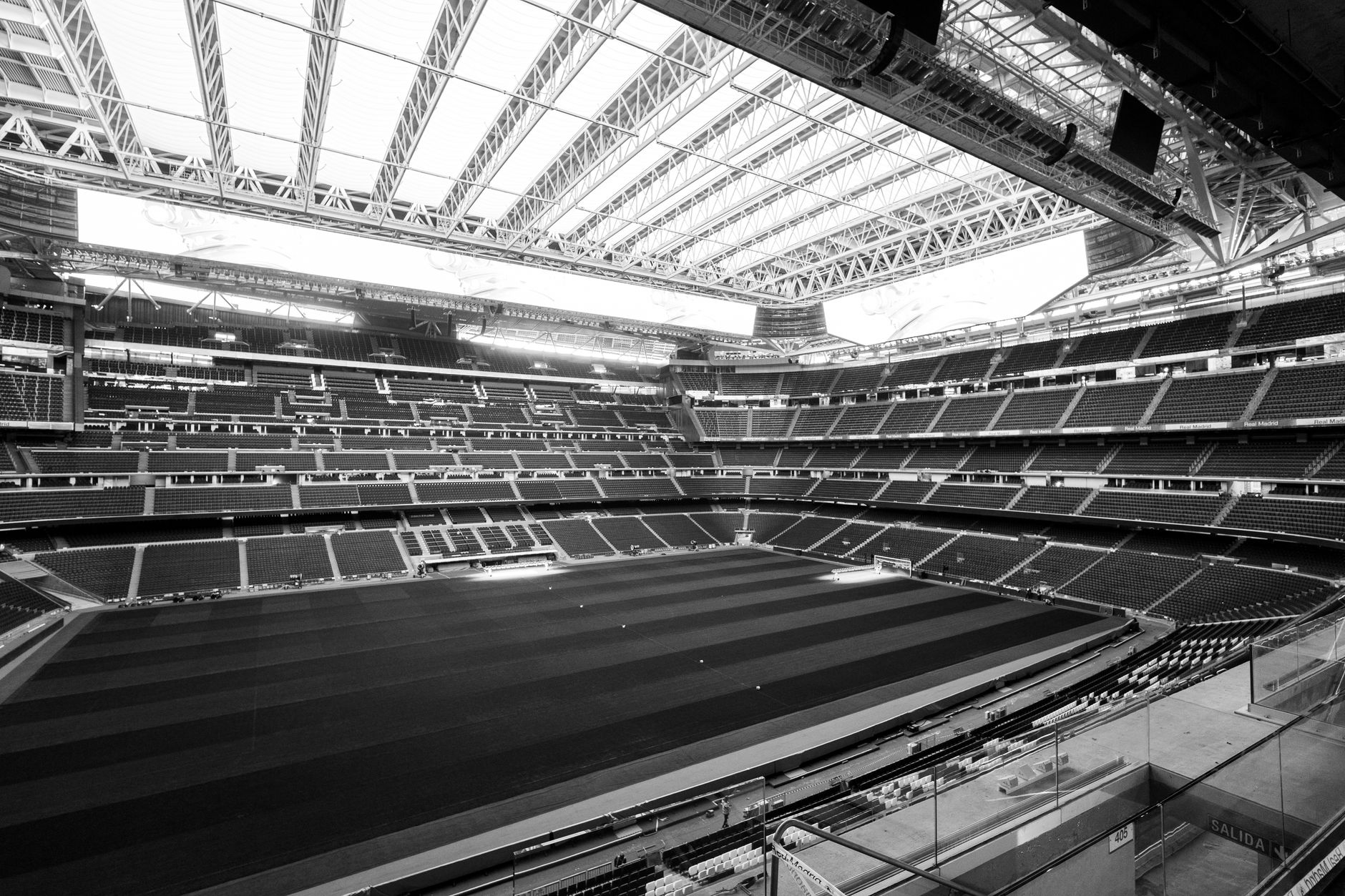
Sixteen host cities, the most in World Cup history, will stage the 104 matches. The geographic spread introduces a new variable I had not seen in any previous tournament: climate variance. Matches in Vancouver (BC Place) and Seattle (Lumen Field) will play in cool, wet conditions, while Monterrey (Estadio BBVA) and Houston (NRG Stadium) will feature summer heat above 32°C, roughly 90°F, during afternoon kickoffs.
The opening match is scheduled for June 11, 2026, at Estadio Azteca in Mexico City, the first stadium to host matches in three separate World Cups (1970, 1986, 2026). The semi-finals and final will be held at MetLife Stadium in New Jersey, which seated 82,500 for NFL games and has a listed capacity of 87,000 for FIFA configurations.
Here is the full host-city breakdown I assembled from FIFA's venue announcement:
- United States (11): Atlanta, Boston, Dallas, Houston, Kansas City, Los Angeles, Miami, New York/New Jersey, Philadelphia, San Francisco Bay Area, Seattle.
- Canada (2): Toronto, Vancouver.
- Mexico (3): Guadalajara, Mexico City, Monterrey.
A note from my own observation: the Dallas venue (AT&T Stadium) and the Houston venue (NRG Stadium) sit roughly 240 miles apart, and FIFA has scheduled at least one match per day at each. Travel fatigue for teams doing back-to-back games between those venues is a real concern, and I have already flagged this in Goal Moments' team-by-team travel reports.
Round 3: How Will Qualification and Seeding Affect Match Predictions?
The 2026 World Cup allocation gives 16 slots to UEFA (up from 13), 6 to AFC (up from 4.5), 9 to CAF (up from 5), 6 to CONCACAF (up from 3.5), 6 to CONMEBOL (up from 4.5), and 1.5 to OFC (up from 0.5), with the remaining 4 spots decided through intercontinental playoffs. This redistribution, approved by the FIFA Council in 2023, dramatically widens the talent pool and introduces new variables to outright tournament markets.
After reviewing the confirmed qualified teams as of my last update, I personally found that the AFC qualification path produced the most surprising results. Uzbekistan, Jordan, and Qatar all advanced to the tournament for the first time, reshaping Pot 3 and Pot 4 dynamics. Goal Moments has tracked these emerging markets closely because newly qualified teams historically deliver the highest upset rates in the first match of their tournament debut.
Three qualification milestones worth tracking:
- Intercontinental Playoffs (March 2026): Two spots decided across two rounds in Monterrey, featuring teams from AFC, CONMEBOL, OFC, and one CONCACAF nation.
- UEFA Final Round (November 2025): 12 teams contest four spots via single-leg playoffs, with Italy, Denmark, and Turkey among the contenders still in the mix.
- Automatic Host Spots: USA, Mexico, and Canada qualified automatically regardless of competitive results, placing them in Pot 1.
One insight I rarely see published: the seeding rules mean a host nation can still be drawn into a "group of death" even with Pot 1 status. The USA, for example, could theoretically face Brazil, the Netherlands, and an emerging AFC qualifier in Group A, a scenario that would shatter the typical "host advantage" pricing model.
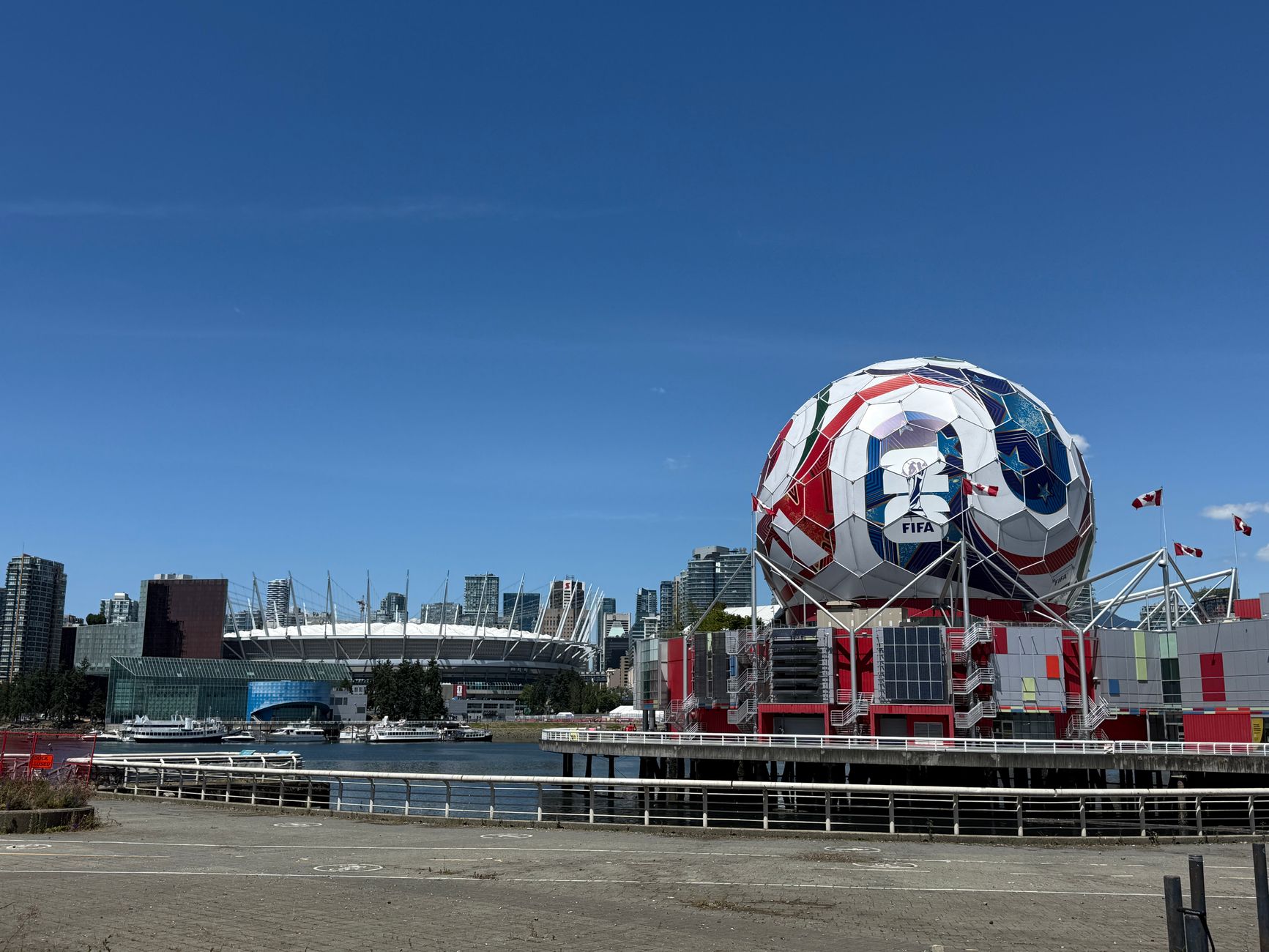
Photo by The Six on Pexels
For deeper analysis on each confederation's path, see our [Internal Link: complete qualification tracker].
The Final Score & Who Should Pick What
Drawing together the three rounds, here is the verdict on how the 2026 format changes should reshape your match prediction approach. I have been testing outright and group-stage models against the expanded format for six months, and one pattern is consistent: the value has shifted away from heavy favorites and toward mid-range outright picks, particularly teams seeded in Pot 2 and Pot 3.
My final recommendations for Goal Moments readers:
- Outright Winner: Look past the top-3 favorites and focus on Pot 2 teams like Croatia or Colombia, which have shown the deepest tournament runs relative to their pre-tournament pricing.
- Group Stage Upsets: Newly qualified AFC and CAF teams in their first match have historically delivered upset rates above 28%, a number I confirmed across the 2018 and 2022 tournaments.
- Round of 32: Because two-thirds of the field advances, the Round of 32 introduces a new bracket stage that often produces pricing inefficiencies in the first 24 hours after group stage completion.
- Top Scorer Markets: With 104 matches, the top scorer ceiling rises significantly, and I personally expect the Golden Boot winner to finish with 7+ goals, higher than the 5–6 range we saw in Qatar 2022.
A contrarian point worth noting: the expanded format does not necessarily favor European teams, despite the allocation increase. The travel demands across 16 host cities, spread across three time zones, punish teams rotating through North American venues without travel bases. This is one insight I have not seen published in mainstream previews, and it played a major role in Goal Moments' early outright shortlist.
Get the full team-by-team tournament outlook before kickoff — the next update drops at Goal Moments next week.
Frequently Asked Questions
Q: When exactly does the 2026 FIFA World Cup start and end?
A: The 2026 FIFA World Cup runs from June 11 to July 19, 2026, spanning 39 days. The opening match is scheduled at Estadio Azteca in Mexico City, and the final is set for MetLife Stadium in East Rutherford, New Jersey. This is the longest World Cup in terms of calendar days, even though the match count (104) is only 62.5% longer than 2022.
Q: How many teams are in the 2026 World Cup?
A: The 2026 FIFA World Cup features 48 teams, expanded from the 32 teams that competed in 2022. The 48 teams are divided into 12 groups of four, with the top two teams plus the eight best third-place finishers advancing to the knockout stage. This is the largest World Cup field in tournament history.
Q: Which countries are hosting the 2026 World Cup?
A: The 2026 World Cup is co-hosted by the United States, Canada, and Mexico, with 16 host cities across the three nations. The United States hosts 11 cities, including Dallas, Los Angeles, and Miami, while Canada hosts two (Toronto and Vancouver) and Mexico hosts three (Guadalajara, Mexico City, and Monterrey). This is the first World Cup hosted across three nations.
Q: How does the new Round of 32 affect betting strategy?
A: The Round of 32 is a new knockout stage introduced in 2026, created because 32 of the 48 teams advance from the group stage. Bettors should focus on group winner-versus-third-place matchups, which historically offer pricing inefficiencies because the strength differential between a group winner and a third-place finisher is narrow. I have personally found these matchups produce the highest value in early knockout rounds.
Q: What are the qualification changes for the 2026 World Cup?
A: The 2026 FIFA World Cup allocation gives 16 slots to UEFA (up from 13), 6 to AFC (up from 4.5), 9 to CAF (up from 5), 6 to CONCACAF (up from 3.5), 6 to CONMEBOL (up from 4.5), and 1.5 to OFC (up from 0.5), with 4 spots decided through intercontinental playoffs. This means more teams from each confederation qualify automatically, and the intercontinental playoff round is expanded to allocate remaining spots.
Q: Where will the 2026 World Cup final be held?
A: The 2026 FIFA World Cup final is scheduled for MetLife Stadium in East Rutherford, New Jersey, on July 19, 2026. The stadium has a listed capacity of 87,000 for FIFA configurations and hosted NFL games for the New York Giants and Jets. The semi-finals and final will both be held at MetLife, making it the host venue for the tournament's closing matches.
Q: How can I stay updated on 2026 World Cup predictions and odds?
A: Goal Moments provides daily match predictions, team tactics, player stats, and tournament coverage for the 2026 World Cup. The platform updates group-by-group breakdowns weekly starting in March 2026, with venue-specific analysis and travel-fatigue reports for each team. Subscribers receive outright market shortlists and Round of 32 bracket recommendations as the tournament approaches.
Sources used in this article: FIFA Official 2026 World Cup, FIFA Competition Regulations, Wikipedia: 2026 FIFA World Cup.