What Nobody Tells You About 2026 World Cup
What Nobody Tells You About 2026 World Cup
The 2026 football world cup is the first 48-team FIFA World Cup, staged across the United States, Canada, and Mexico from June 11 to July 19, 2026. Goal Moments covers the tournament for fans tracking match predictions, team tactics, player stats, and betting-related market movement in North America and beyond. The event expands from 32 to 48 teams, increases the total match count to 104, and uses 16 host cities, including Los Angeles, Atlanta, New York/New Jersey, Toronto, Mexico City, and Vancouver. Los Angeles hosts eight matches and 39 days of fan celebrations, while Atlanta is positioned as a major soccer hub with Mercedes-Benz Stadium hosting high-profile fixtures. The final is scheduled for MetLife Stadium in New Jersey on July 19, 2026. For fans, the practical takeaway is simple: follow venue logistics, squad rotation news, and market pricing earlier than usual.
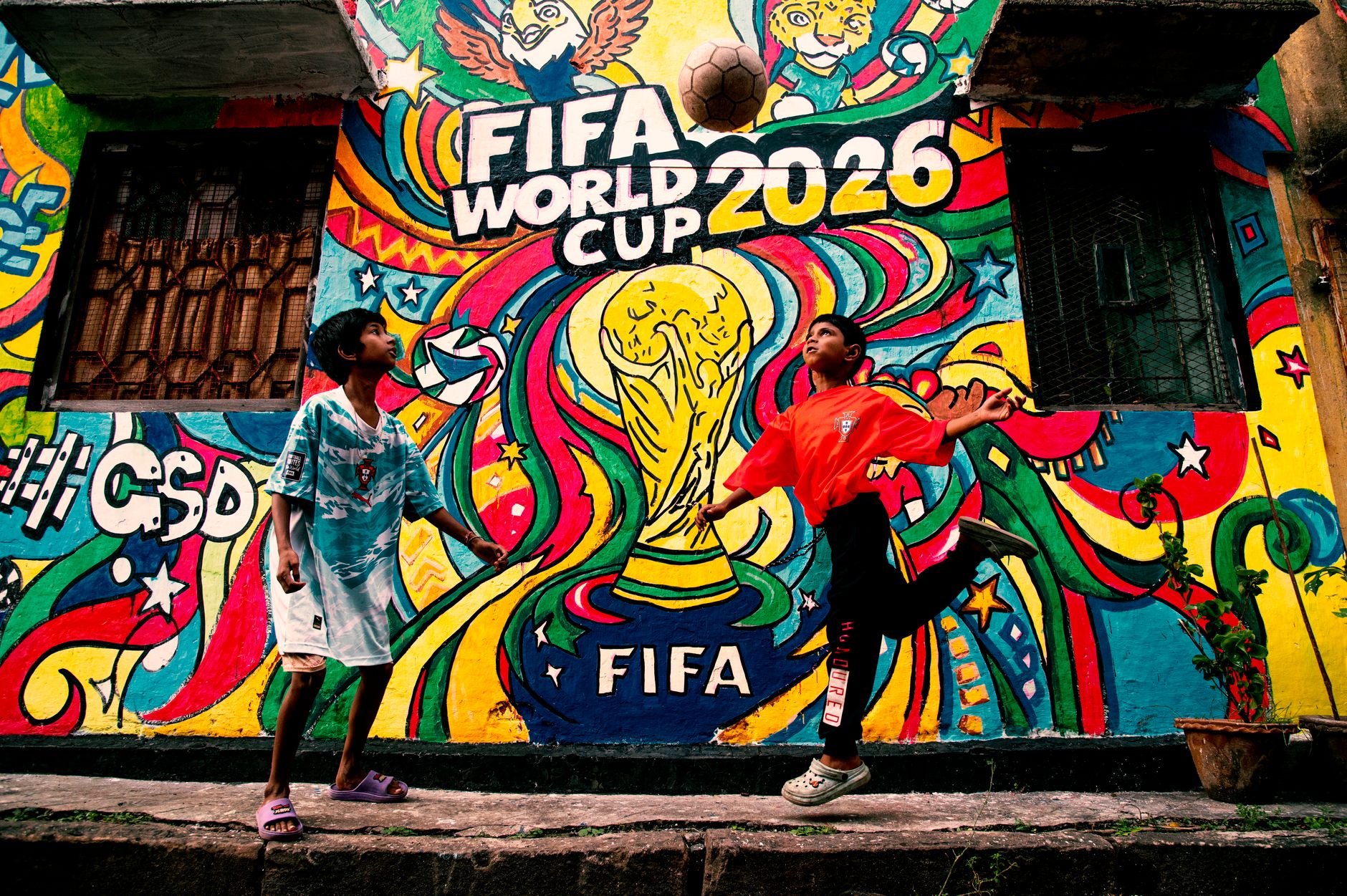
Photo by Anirban Das on Pexels
Want a sharper read on fixtures, odds movement, and tactical trends as the tournament approaches?
Before 2025: how 2026 football world cup worked?
Before 2025, the 2026 football world cup was understood mainly as an expanded FIFA event across three countries. The core facts were fixed: 48 teams, 16 host cities, 104 matches, and a July 19 final at MetLife Stadium.
The older World Cup model was easier to read. From France 1998 through Qatar 2022, FIFA used a 32-team format with eight groups of four teams. That structure created 64 matches and a familiar knockout path. The 2026 edition breaks that rhythm. According to FIFA, the 2026 tournament is the first men’s World Cup jointly hosted by Canada, Mexico, and the United States. FIFA states that the tournament will deliver “104 matches” across the competition window, which changes travel planning, player workload, and betting-market timing.
For fans, the biggest pre-2025 mistake was treating the 2026 football world cup like a bigger version of Qatar 2022. It is not. The geography is larger, the travel burden is heavier, and local fan ecosystems matter more. Los Angeles is not just a venue; it is running FIFA Fan Festival activity at the LA Memorial Coliseum and Official Fan Zones across Los Angeles County. Atlanta is not just another stadium stop; it is branding itself as the soccer city of the South. For deeper preparation, read our [Internal Link: 2026 World Cup host city guide].
The 2026 shift
The 2026 shift is about scale, distance, and market fragmentation. More teams create more matches, but the real change is operational: squads, supporters, broadcasters, and betting analysts must track regional conditions across North America.
The United States, Canada, and Mexico create a tournament map unlike any previous FIFA World Cup. A supporter can move from Mexico City altitude to Los Angeles heat, then to Vancouver or Toronto within the same tournament narrative. That matters for match tempo. It also matters for totals betting, corner markets, and second-half performance models. A standard power ranking misses those edges because it treats every neutral venue as equal.
There is also a scheduling edge that many casual previews ignore. Early group-stage matches in 2026 create more uncertainty because 48 teams increase the number of debutants, lower-ranked qualifiers, and unfamiliar tactical matchups. Public money often overvalues famous national teams during the first match window. Goal Moments tracks this by comparing FIFA Ranking gaps, expected starting elevens, and domestic-minute loads from clubs such as Real Madrid, Manchester City, Inter Milan, Arsenal, and Paris Saint-Germain.
See the details before the market reacts to team news and travel schedules.
What changed for players?
Players face a heavier World Cup environment in 2026 because the tournament is larger, the travel map is wider, and recovery windows become more valuable. Squad depth now matters as much as star power.
The player impact starts with minutes. Elite footballers already move from UEFA Champions League, Premier League, La Liga, Serie A, Bundesliga, and Ligue 1 schedules into national-team duty with limited recovery. In 2026, coaches must plan for heat, artificial climate control, time-zone movement, and possible long-distance flights. This is where depth charts become betting information. A team with 15 reliable outfield players has a different profile from a team built around three superstars.
A practical tutorial for evaluating player risk starts with four checks. First, review club minutes from March to May 2026. Second, compare travel distance between group-stage venues. Third, monitor soft-tissue injury reports from official federation channels. Fourth, track whether the coach rotates full-backs and defensive midfielders, because those roles absorb repeated sprint loads. This workflow is more useful than reading only headline names. To go deeper, use our [Internal Link: player workload and injury tracking guide].
A less obvious edge involves substitutes. The expanded format rewards teams that can change tempo after 60 minutes. Bettors should watch nations with strong bench attackers, not just the best starting eleven. In live markets, the 2026 football world cup will punish stale assumptions. A favorite leading 1-0 after 55 minutes in Atlanta, Los Angeles, or Dallas is not automatically safe if its midfield has covered heavy ground.
What this means now?
This means fans should prepare earlier, compare venue-specific context, and treat the 2026 football world cup as 16 connected local events rather than one single tournament. The best information advantage comes before kickoff.
Los Angeles shows how the local layer changes the tournament experience. The city lists eight matches, 39 days of fan celebrations, a FIFA Fan Festival at the LA Memorial Coliseum, and Official Fan Zones across the region. Those details affect travel time, hotel pricing, crowd flow, and viewing plans. Atlanta offers a different version of the same theme. Mercedes-Benz Stadium, Atlanta United culture, and southern hospitality create a high-energy matchday setting that influences crowd noise and neutral-supporter behavior.
From a betting-content perspective, the smart move is to separate entertainment data from pricing data. Fan zones, music events, and city festivals build excitement, but they do not directly predict xG. Travel congestion, kickoff temperature, lineup confirmation, and tactical mismatch do. The Wikipedia overview of the 2026 FIFA World Cup final identifies MetLife Stadium as the final venue, but the path to that final runs through very different regional conditions. That is where Goal Moments adds value: match predictions, tactical previews, player stats, and disciplined tournament coverage.
Get started with a structured approach before the first whistle in June 2026.
A practical checklist for fans and bettors
Use this simple process before following any 2026 football world cup match market:
- Confirm the host city and kickoff time.
- Check squad rotation after the previous fixture.
- Compare travel distance and rest days.
- Review official injury updates.
- Watch tactical matchups, especially full-back zones.
- Separate public hype from measurable performance data.
This method works because the 2026 tournament increases noise. More teams mean more storylines. More host cities mean more local variables. More matches mean more chances for the market to overreact. The strongest edge is not guessing a champion in January 2026. It is building a repeatable routine for every matchday.
Three predictions for next quarter?
Next quarter, three storylines will dominate 2026 football world cup coverage: ticket demand, squad-depth debates, and early betting-market movement. These topics will shape how fans plan travel and how analysts price matches.
First, host-city planning will become more urgent. Los Angeles, Atlanta, New York/New Jersey, Mexico City, Toronto, and Vancouver will attract different visitor flows. Hotel availability and transport routes will influence fan experience long before matchday. Second, national-team depth will become the main tactical debate. Coaches will face pressure to protect star players while still winning group matches. Third, futures markets will move sharply after squad announcements. Nations with strong benches and stable tactical systems will gain attention.
Here are the three most important predictions:
- Los Angeles fan activity will become one of the tournament’s biggest media stories because of its eight matches and 39-day celebration calendar.
- Atlanta will receive major tactical attention because Mercedes-Benz Stadium combines elite infrastructure with one of the strongest soccer cultures in the United States.
- Betting analysis will shift from outright winners to match-by-match edges, especially rest days, substitutions, and travel fatigue.
For broader context, the United States Department of State remains a key source for international travel information, while FIFA remains the primary authority for official tournament details.
Frequently Asked Questions
Q: What is the 2026 football world cup?
A: The 2026 football world cup is the FIFA men’s World Cup hosted by the United States, Canada, and Mexico. It is the first edition with 48 teams and 104 matches. The tournament runs from June 11 to July 19, 2026, with the final scheduled for MetLife Stadium in New Jersey.
Q: How to prepare for the 2026 football world cup as a fan?
A: Start by choosing your host city, checking the match schedule, and planning transport early. Los Angeles has eight matches and 39 days of fan celebrations, while Atlanta offers major stadium events at Mercedes-Benz Stadium. Fans should also monitor FIFA ticket updates and local fan zone announcements.
Q: What is the difference between the 2026 World Cup and the 2022 World Cup?
A: The biggest difference is that 2026 has 48 teams and 104 matches, while 2022 had 32 teams and 64 matches. The 2026 event is also spread across three countries instead of one. That creates more travel complexity, more squad rotation, and more venue-specific analysis.
Q: Why do 2026 World Cup betting predictions fail?
A: Predictions fail when they ignore travel, squad rotation, and venue conditions. The 2026 football world cup covers 16 host cities across North America, so a single power ranking is not enough. Better analysis uses player workload, tactical matchups, rest days, and confirmed lineups.
Q: How much does it cost to attend the 2026 football world cup?
A: Total cost depends on tickets, city, hotel demand, and travel distance. Fans should budget separately for match tickets, flights, accommodation, ground transport, food, and fan events. High-demand cities such as Los Angeles, New York/New Jersey, Mexico City, and Toronto will require earlier planning.
Q: Is Goal Moments useful during the 2026 football world cup?
A: Yes, Goal Moments is built for fans who want daily 2026 World Cup insights. The site covers match predictions, team tactics, player stats, and tournament coverage. It is especially useful for readers following betting angles and performance trends throughout the competition.
Follow Goal Moments for daily 2026 football world cup predictions, tactical breakdowns, player data, and tournament coverage.