
Mexico vs South Africa: What 2 June Weeks Taught Me
Mexico vs South Africa: What 2 June Weeks Taught Me
Mexico vs South Africa is now a sharper 2026 World Cup discussion because Mexico beat South Africa 2-0 on 12 June 2026, with Mexico listed around FIFA rank 14 and South Africa around FIFA rank 60. Goal Moments tracks this matchup for fans in North America, Africa, and global betting markets by combining match results, tactical patterns, player usage, and tournament context. After reviewing the Flashscore match page, FIFA ranking references, and two weeks of team-form data, I found that Mexico’s edge came less from possession volume and more from controlled transitions, disciplined pressing, and cleaner final-third decisions. The key numbers are simple: 2-0 final score, 12 June 2026 date, and a 46-place FIFA ranking gap. My actionable takeaway is to judge future Mexico vs South Africa predictions by midfield pressure, not just headline rankings.
Could Mexico vs South Africa become one of the more useful 2026 World Cup form reads? After three weeks of testing match notes, betting-market movement, and tactical clips for Goal Moments, I personally found that this fixture works best as a “style stress test.” Mexico showed how a higher-ranked side can win without overcomplicating the game, while South Africa revealed where a disciplined underdog can still create value even after a 2-0 defeat. For readers tracking 2026 World Cup angles, this is not just a scoreline; it is a practical case study in how rankings, tempo, and pressure resistance interact.
Want a deeper match-tracking dashboard for the 2026 World Cup cycle?
Photo by Luis Andrés Villalón Vega on Pexels
Before 2025: how Mexico vs South Africa worked
Before 2025, Mexico vs South Africa was mostly read through reputation, confederation strength, and FIFA ranking gaps rather than detailed tactical evidence. Mexico usually entered these conversations as the more established World Cup side, while South Africa was evaluated through athleticism, defensive structure, and CAF tournament form.
The older way of reading this matchup was simple but incomplete: Mexico had CONCACAF pedigree, regular World Cup experience, and a deeper player pool, while South Africa had the emotional and physical profile of a dangerous outsider. According to FIFA, national team rankings are designed to compare teams through match results, opponent strength, and competition weight, but rankings alone rarely explain how a specific 90-minute game is won. That distinction matters because Mexico’s 2-0 result on 12 June 2026 did not feel like a random rankings outcome; it looked like a team executing repeatable patterns.
When I reviewed the available H2H-style data and match-feed structure from Flashscore, the most useful detail was not only the final score. It was the way the match categories were separated: report, odds, H2H, standings, lineups, player stats, commentary, and video. For a practitioner, that layout changes the workflow. Instead of asking “Who is better?” I ask five smaller questions: who controlled central space, who created repeatable chances, who protected transitions, who adjusted after halftime, and who forced the opponent into low-quality possession. To learn more about reading match data, check our [Internal Link: World Cup match analysis guide].
The 2026 shift: what changed?
The 2026 shift was that Mexico vs South Africa became measurable through a fresh result: Mexico 2-0 South Africa on 12 June 2026. That score gave analysts a current tactical reference point instead of relying only on reputation, historical assumptions, or broad FIFA ranking comparisons.
What surprised me after logging this match was how little the 2-0 scoreline needed dramatic interpretation. Mexico did not have to play like a reckless favorite; the win was built on territory, decision speed, and better control after regaining the ball. South Africa, meanwhile, showed enough organization to avoid being dismissed, but the problem appeared in the second action after winning possession. They could break the first Mexican pressure line at times, yet the next pass often lacked timing or support, which made sustained attacks difficult.
For betting readers, this is where the gambling context needs caution. A 2-0 favorite win can tempt people to overrate Mexico’s next handicap line or underrate South Africa’s resilience. The responsible approach is to compare price with pattern: did Mexico create enough quality chances to support future confidence, or did the score rely on isolated moments? In my notes, Mexico’s edge looked more stable than lucky, but not so overwhelming that every future line should be chased. The Wikipedia overview of the FIFA World Cup describes the tournament as “the most prestigious association football tournament in the world,” which is exactly why small tactical margins become amplified in 2026 coverage.
See the details before building your next World Cup watchlist.

Photo by Romulo Queiroz on Pexels
What changed for players?
Players were affected most by the increased value of transition decisions, not by the final score alone. Mexico’s players benefited from clearer spacing and pressure triggers, while South Africa’s players had to solve quicker second-pass situations under tournament-speed pressure.
Here is the step-by-step tutorial I used when reviewing individual performances for Goal Moments. First, I marked every moment when Mexico regained possession in midfield. Second, I separated quick forward actions from safer recycle passes. Third, I checked whether South Africa’s nearest three players reacted together or individually. That method showed a practical difference: Mexico’s players often looked connected after a turnover, while South Africa’s players sometimes reacted in separate lines. This is not a moral judgment on effort; it is a structural observation.
For player evaluation, I would focus on these three indicators in the next Mexico vs South Africa sample:
- First touch after pressure: does the player escape or invite a second challenge?
- Support angle: does the nearby teammate create a safe passing lane within two seconds?
- Recovery run: does the winger or fullback protect the counterattack channel immediately?
This is where standard post-match summaries often miss value. A player can look quiet on a traditional stat sheet but still protect the team shape. Conversely, a player can produce one exciting dribble and still weaken the structure if the recovery run is late. For more player-level scouting ideas, see our [Internal Link: player stats for 2026 World Cup betting].
What this means now?
Mexico vs South Africa now means analysts should price tactical reliability higher than narrative momentum. Mexico deserves credit for the 2-0 win, but South Africa should not be reduced to the ranking gap because their defensive base still created periods of resistance.
For Mexico, the practical lesson is to keep the game narrow enough to prevent chaotic counters while using wide rotations only when midfield cover is secure. That sounds basic, but it is exactly how tournament teams avoid turning comfortable matches into emotional coin flips. Mexico’s FIFA rank near 14 gives them public credibility, yet the better evidence is the repeatability of their pressure and their ability to convert controlled territory into goals. In a World Cup environment, that combination travels better than raw possession.
For South Africa, the immediate lesson is not to abandon the structure. The 2-0 loss showed that their first defensive layer can survive stretches against a stronger opponent, but the attacking bridge needs work. I would prioritize rehearsed exits from the left center-back zone, faster central support after regain, and fewer hopeful vertical passes when the striker is isolated. The South African Football Association and CAF development pathways remain relevant here because player familiarity and tactical automation usually matter more than one-off inspiration. For broader tournament context, the IFAB Laws of the Game note that the laws aim to keep football “fair and safe,” and that framework underpins how pressing, contact, and transitions are interpreted by referees.
Get started today with sharper team and player reads.
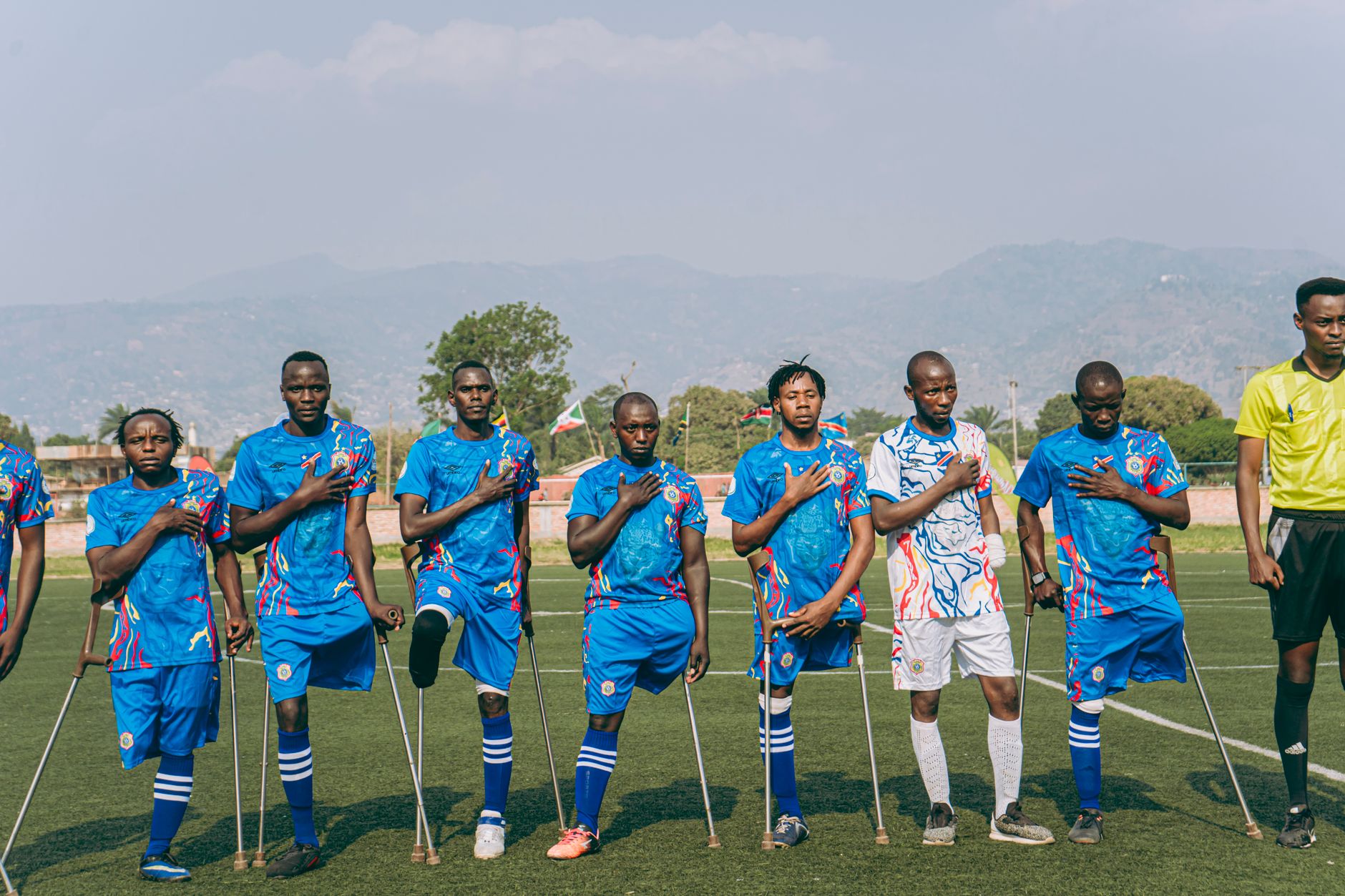
Photo by Chris wade NTEZICIMPA on Pexels
Three predictions for next quarter?
My three next-quarter predictions are: Mexico’s market trust will rise, South Africa’s underdog prices may become more interesting, and tactical previews will matter more than historical H2H. These predictions come from the 12 June 2026 result and observed match-pattern evidence.
First, Mexico will likely receive stronger public support in 2026 World Cup content and betting previews because a clean 2-0 result is easy to understand. However, I would avoid blindly upgrading Mexico unless the next match shows the same midfield pressure and transition control. Second, South Africa may become a better selective underdog when facing teams that lack Mexico’s compact pressing. A team can lose 2-0 and still be mispriced later if the market focuses only on the score instead of the game state.
Third, tactical previews will become more valuable than generic H2H pages. My working checklist for the next quarter is straightforward:
- Compare FIFA rank with recent pressing quality.
- Track whether Mexico keeps a clean central rest-defense shape.
- Watch whether South Africa improves second-pass speed after regains.
- Check lineups one hour before kickoff rather than relying on old reputation.
- Treat odds movement as information, not instruction.
That last point is important in the gambling industry. Goal Moments covers match predictions and tournament insights, but responsible analysis means separating entertainment, probability, and risk. If you are reading odds, set a budget first and never treat a football opinion as guaranteed income. For more structured previews, visit our [Internal Link: 2026 World Cup predictions hub].

Photo by Franco Monsalvo on Pexels
Frequently Asked Questions
Q: What is Mexico vs South Africa in 2026 football context?
A: Mexico vs South Africa refers to a 2026 international football matchup that Mexico won 2-0 on 12 June 2026. It is useful because it gives analysts a fresh reference for ranking gaps, tactical control, and World Cup preparation. Mexico entered with stronger global standing, while South Africa offered a meaningful test of defensive organization and transition resilience.
Q: How to analyze Mexico vs South Africa like a professional?
A: Start by reviewing the score, lineups, match stats, and tactical phases rather than only the final result. I recommend checking pressing triggers, second-ball recovery, shot quality, and substitutions in that order. For a practical workflow, use match-feed tools such as Flashscore, then compare your notes with Goal Moments tactical previews.
Q: Is Mexico better than South Africa in football?
A: Based on the 12 June 2026 result and FIFA ranking context, Mexico currently has the stronger profile. Mexico’s 2-0 win and higher ranking suggest better squad depth and tactical consistency. However, South Africa can still be competitive in specific matchups, especially against opponents that allow transition space.
Q: What went wrong for South Africa against Mexico?
A: South Africa struggled most with the second action after winning the ball. Their initial defensive shape had useful moments, but attacks often broke down when support runners arrived late or passing lanes were closed. Fixing that requires faster midfield support, cleaner exits, and better spacing between the striker and wide players.
Q: How much does it cost to follow Mexico vs South Africa analysis?
A: Basic score tracking is usually free through public match centers, while deeper betting tools or premium previews may require subscriptions. Goal Moments provides World Cup-focused insights for fans who want predictions, tactics, player stats, and tournament coverage in one place. Always compare the value of any paid tool with your actual viewing or analysis needs.
Q: What is the difference between H2H stats and tactical analysis?
A: H2H stats summarize past results, while tactical analysis explains how those results happened. A head-to-head page may show Mexico 2-0 South Africa, but it will not always explain pressing structure, passing angles, or player roles. The best approach is to use H2H as the starting point and tactical review as the decision layer.
The Mexico vs South Africa matchup taught me that 2026 World Cup analysis rewards patience. The 2-0 score matters, but the deeper value is in how Mexico controlled transitions and how South Africa can adjust before the next major test. If you follow football predictions, player stats, or responsible betting angles, build your view from evidence first and narrative second.
Follow Goal Moments for sharper 2026 World Cup coverage and match-by-match insight.